


How Portable Hyperbaric Chambers Could Transform Soccer Recovery: Insights from Research
Soccer players endure significant physical stress during matches, pushing their bodies to the limit. Recovery becomes crucial to maintaining performance and avoiding injury. One recovery method gaining attention is the portable hyperbaric chamber. While primarily associated with medical treatments, these chambers are being explored for athletic recovery, offering convenience and potential benefits.
Recent research provides insights into how hyperbaric oxygen therapy (HBOT) might assist soccer players in bouncing back from strenuous games. Let’s dive into the findings and what they mean for athletes.
Key Findings from Recent Research
A recent study explored the effects of a single session of hyperbaric oxygen therapy on recovery in elite youth soccer players. The double-blind, randomized controlled trial examined biochemical markers, performance metrics, and perceived recovery.
The findings shed light on what portable hyperbaric chambers might bring to the field:
1. Impact on Muscle Recovery
Soccer matches cause muscle fatigue and damage, marked by elevated biochemical indicators like creatine kinase (CK) and myoglobin (MB). The study revealed significant increases in these markers after the match, highlighting the physical toll.
However, a single 60-minute session of HBOT showed no statistically significant reduction in these markers compared to a control group. This suggests that one session might not be enough to influence biochemical recovery.
2. Effect on Performance Metrics
Players’ performance was measured through linear speed and vertical jump tests before and after the match. While the match itself caused minor performance declines, HBOT did not significantly enhance recovery in these areas.
This finding indicates that while portable hyperbaric chambers may not directly improve physical performance, they could support other aspects of recovery.
3. Perceived Fatigue and Wellbeing
One of the most notable outcomes was a reduction in perceived fatigue, measured using the Hooper Index. Players who underwent HBOT reported feeling less tired and stressed compared to the control group.
This suggests that hyperbaric therapy could positively impact athletes’ feelings after a match, even if biochemical and performance markers remain unchanged.
Understanding Portable Hyperbaric Chambers
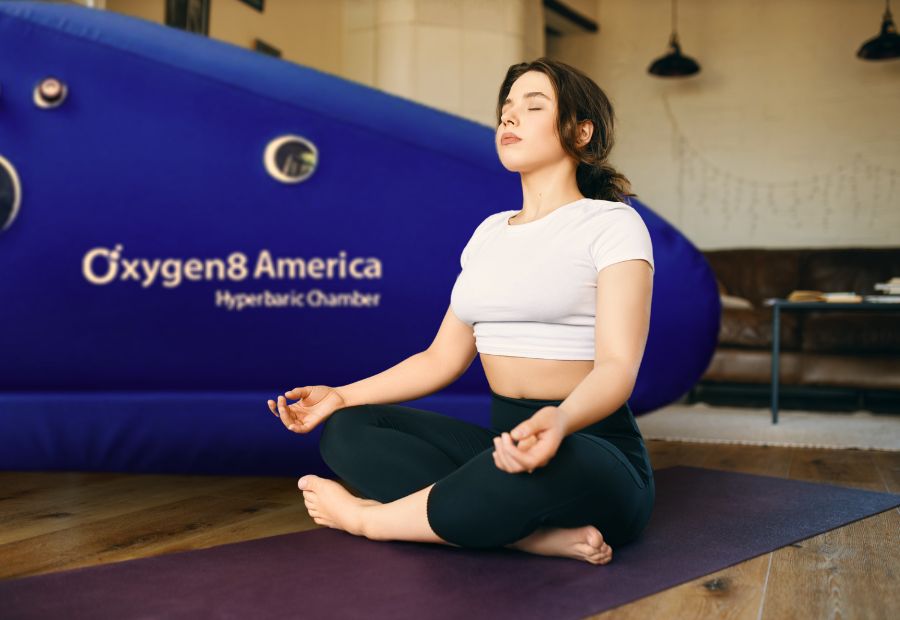
Portable hyperbaric chambers are compact devices designed to deliver oxygen in a pressurized environment. They increase oxygen levels in the body, promoting healing and reducing inflammation.
Unlike clinical-grade chambers, portable options are accessible and easy to use, making them popular among athletes.
For soccer players, whose schedules often allow limited recovery time, portable hyperbaric chambers offer a promising solution. However, research plays a key role in determining their effectiveness.
What Do These Findings Mean for Portable Hyperbaric Chambers?
The research offers mixed results, but it highlights areas where portable hyperbaric chambers might be valuable:
- Enhancing Perceived Recovery: While physical markers didn’t show significant improvement, reduced fatigue perception could boost confidence and readiness for subsequent games.
- Supplementing Existing Recovery Strategies: Portable chambers can complement hydration, nutrition, and active recovery methods.
- Potential for Long-Term Benefits: The study focused on a single session. Consistent use over time may yield more pronounced effects.
Why Soccer Players Should Consider Portable Hyperbaric Chambers
Convenient and Accessible
Portable hyperbaric chambers can be used at home or during travel. Their ease of setup allows athletes to integrate therapy into tight schedules.
Natural and Non-Invasive
Unlike medications, HBOT is a drug-free method that relies on oxygen to stimulate healing. It’s non-invasive and generally safe when used correctly.
Aligns with Recovery Needs
Soccer players need tools to accelerate recovery between games. Even if immediate physical effects aren’t guaranteed, improved perceived recovery can play a vital psychological role.
Limitations of the Research
While the study offers valuable insights, it also highlights limitations:
- Short Duration: The trial only examined one HBOT session. Longer or multiple sessions might show greater benefits.
- Small Sample Size: The study involved 20 elite youth players, which may not represent broader populations, including senior or recreational athletes.
- Focus on Biochemical Markers: Performance improvements may not always correlate directly with these markers. Exploring additional recovery indicators could provide a fuller picture.
Portable Hyperbaric Chambers: The Future of Recovery?
Research on HBOT is still evolving, but the potential benefits for athletes are promising. Soccer players, in particular, could gain from the convenience and accessibility of portable hyperbaric chambers. By enhancing oxygen delivery to tissues, these chambers support recovery in a natural and non-invasive way.
While one session may not deliver immediate physical results, the reduced fatigue perception observed in studies suggests a meaningful psychological advantage. Over time, consistent use might unlock further recovery benefits, making portable hyperbaric chambers a valuable addition to an athlete’s toolkit.
Please Note: Hyperbaric oxygen therapy is FDA-approved for conditions like decompression sickness and carbon monoxide poisoning. However, its use for athletic recovery is not yet FDA-approved. Athletes should consult a healthcare provider before incorporating HBOT into their routines.
Final Thoughts
Portable hyperbaric chambers represent an exciting possibility for soccer players seeking effective recovery tools. Though research highlights some limitations, the benefits of reduced fatigue and enhanced well-being are worth exploring.
As studies continue, athletes may discover new ways to integrate these chambers into their recovery plans, supporting both their physical and mental readiness for the game.


Leave a Reply